
We Mistake Motion for Progress
Why revenue teams stay busy while growth stays flat

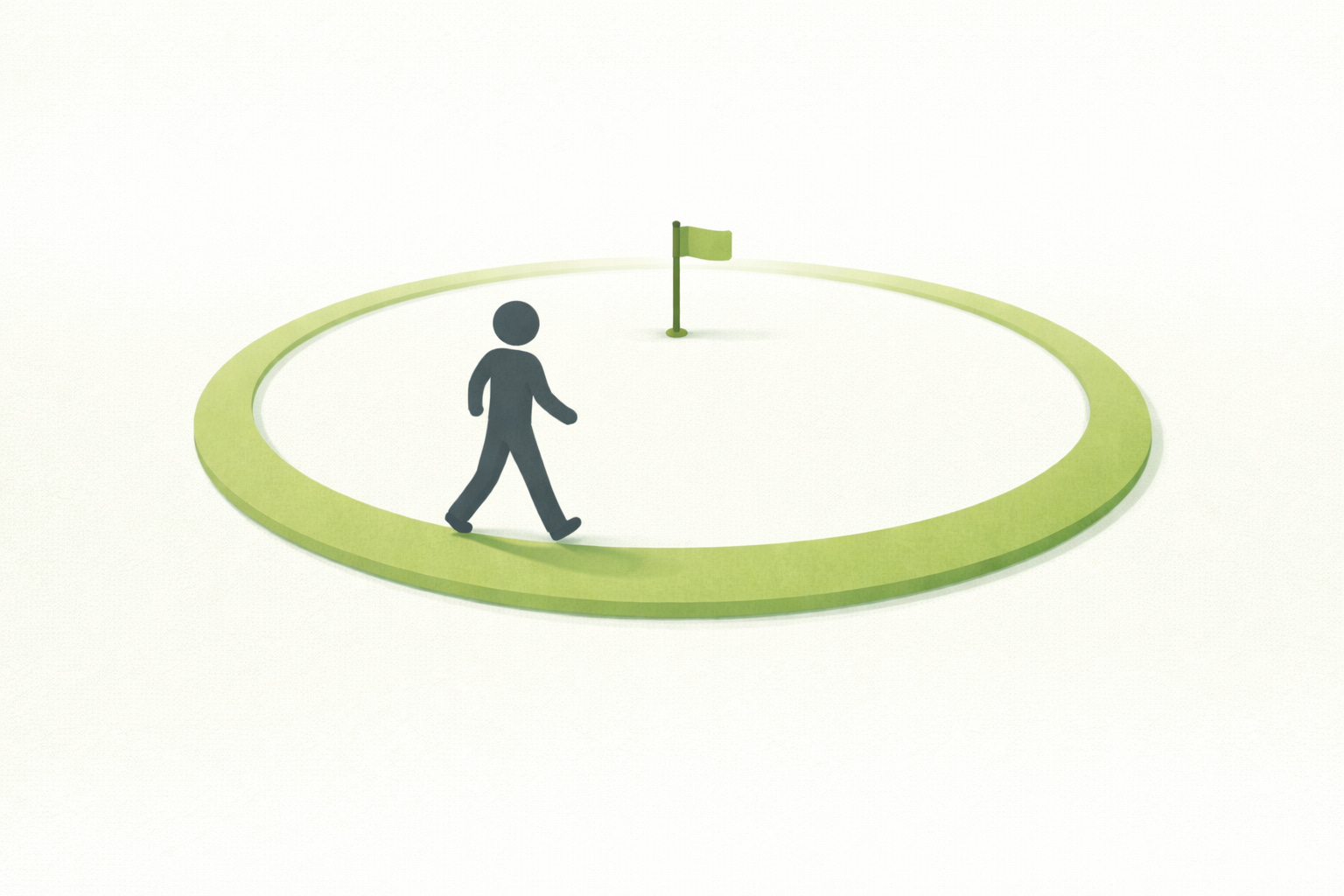
Activity Feels Like Traction
Calendars full. CRM humming. Campaigns launching. Demos booked.
From the outside, it looks like momentum.
Inside the revenue engine, it feels productive. We are shipping content. Sending outbound. Running calls. Posting updates. Tweaking decks.
But busy is not the same as better.
When feedback loops are missing or ignored, motion creates the illusion of progress. Revenue systems drift while activity expands.
More Activity Does Not Equal More Learning
When pipeline dips or deals stall, the instinct is to increase activity.
More outreach. More ads. More sequences. More features in the deck.
We tell ourselves that volume will solve it. If we push harder, something will click. “It’s a numbers game.”
Yet without tight feedback loops, more activity only multiplies noise.
If marketing is not hearing what sales is hearing, messaging stays generic. If sales is not learning why deals are lost, discovery stays shallow. If customer success is not feeding onboarding friction back upstream, churn patterns repeat.
The engine spins. The number does not move.
Revenue Systems Either Learn or They Leak
A healthy startup revenue system is not defined by how much it does. It is defined by how quickly it learns.
Learning happens through loops:
Marketing to sales: Which leads convert and why?
Sales to marketing: Which messages land in real conversations?
Sales to customer success: What expectations were set?
Customer success back to sales: What actually drove retention and expansion?
Without these loops, each function optimizes in isolation. Marketing chases clickthrough rates. Sales chases meetings. Customer success chases tickets closed.
Revenue, however, is a system outcome.
If the system does not learn together, it does not compound together.
Why We Stay Busy Instead of Getting Better
Reflection feels slower than action.
It is uncomfortable to pause a campaign and ask whether the ICP is wrong. It is harder to review lost deals than to send ten more emails. It feels risky to question whether our qualification criteria are flawed.
Activity gives us control. Reflection exposes uncertainty.
So we stay in motion.
The problem is not effort. It is direction. Without feedback, effort becomes expensive drift.
Install Feedback Loops Before You Increase Volume
You do not need complex dashboards to fix this. You need structured conversations.
Start here:
Weekly 30-minute review of closed won and closed lost deals. What pattern do we see?
Monthly ICP check. Do our best customers still look like the ones we are targeting?
Post-onboarding debrief. Did the sales promise match operational reality?
Shared definition of a qualified opportunity. Does everyone agree?
Document insights in one shared place. Not just metrics. Language. Objections. Buying triggers. Expansion signals.
Learning must be operationalized. Otherwise it gets buried under busyness.
What Changes When the Loops Tighten
We have worked with revenue teams that doubled outbound volume while conversion quietly fell. Marketing celebrated lead growth. Sales complained about quality. Customer success saw churn creeping up.
Nothing was broken in isolation. The breakdown lived between the functions.
The turning point came when the team stopped adding motion and started tightening loops. They aligned on what a good customer actually looked like. They rewrote messaging based on real objections. They adjusted qualification before increasing volume.
Pipeline did not just grow. It improved.
Because now effort was informed.
Progress Is Measured by Adaptation
Motion feels good.
Learning feels slower.
But in startup revenue systems, progress is not measured by how fast we move. It is measured by how fast we adapt.
If the loops are tight, motion compounds.
If they are not, we just spin.
Busy doesn’t equal progress. Learning does.
It’s easy to confuse activity with traction. Full calendars. Lots of demos. Campaigns going out. CRM dashboards lighting up. From the outside, it looks like momentum.
But activity OFTEN feels like traction until it isn’t.
More outbound emails, more meetings, more campaigns do not automatically make the business stronger. They only matter if they help you learn something.
Real traction happens when your revenue system gets smarter over time.
A simple test: are you building in time to reflect and adjust? Weekly deal reviews. Regular ICP check-ins. Cross-functional conversations where insights are shared and acted on.
Progress is not about how much you are doing. It is about how quickly you are improving.